During pregnancy, the symphysis pubis increases in width by approximately 1 to 12 mm, and analogous movements take place in the sacroiliac joints. The hormones relaxin and progesterone cause these joints to become more mobile, enabling the pelvis to expand and provide room for the baby. Close to labor, the pelvis makes small gliding and rotational movements, widening the anteroposterior diameter of the birth canal to help facilitate your baby's passage.
The pelvis can even open wider up to 1.5–2 cm in some positions during labor, as the coccyx shifts backward. This natural pliability makes giving birth easier and shows how gorgeously the body accommodates birth.
Each woman's pelvis is different, and the shape may affect the course of labor.
The four primary pelvic shapes are:
Gynecoid: Round, open, and best for giving birth.
Android: Heart-shaped, more narrow, looking like a male pelvis.
Anthropoid: Long and oval, like an upright egg.
Platypelloid: Broad and flat, the rarest type.
Although each shape is unique, all are able to accommodate a healthy, safe delivery with the right guidance and care.
Pelvic Pain During Pregnancy and ReliefPelvic girdle pain (PGP), a stabbing or dull pain near the hips, groin, or lower back, strikes nearly one in four expectant mothers. The reasons for this pain are relaxed ligaments, moving joints, and added strain from your growing belly. Your pelvis tilts forward because your center of gravity changes, which causes additional strain on your muscles and ligaments.
Common symptoms include:
Lower back, hip, or pubic area pain
Sensation of grinding or clicking in the pelvis
Pelvic pain spreading to the thighs or perineum
Distressing when turning in bed, walking, or going up stairs
Pelvic pain relief techniques that are gentle:
Physiotherapy can strengthen the hip, back, and pelvic floor muscles.
Support belts or pillows to stabilize and align the pelvis.
Pregnancy acupuncture can safely ease tense muscles.
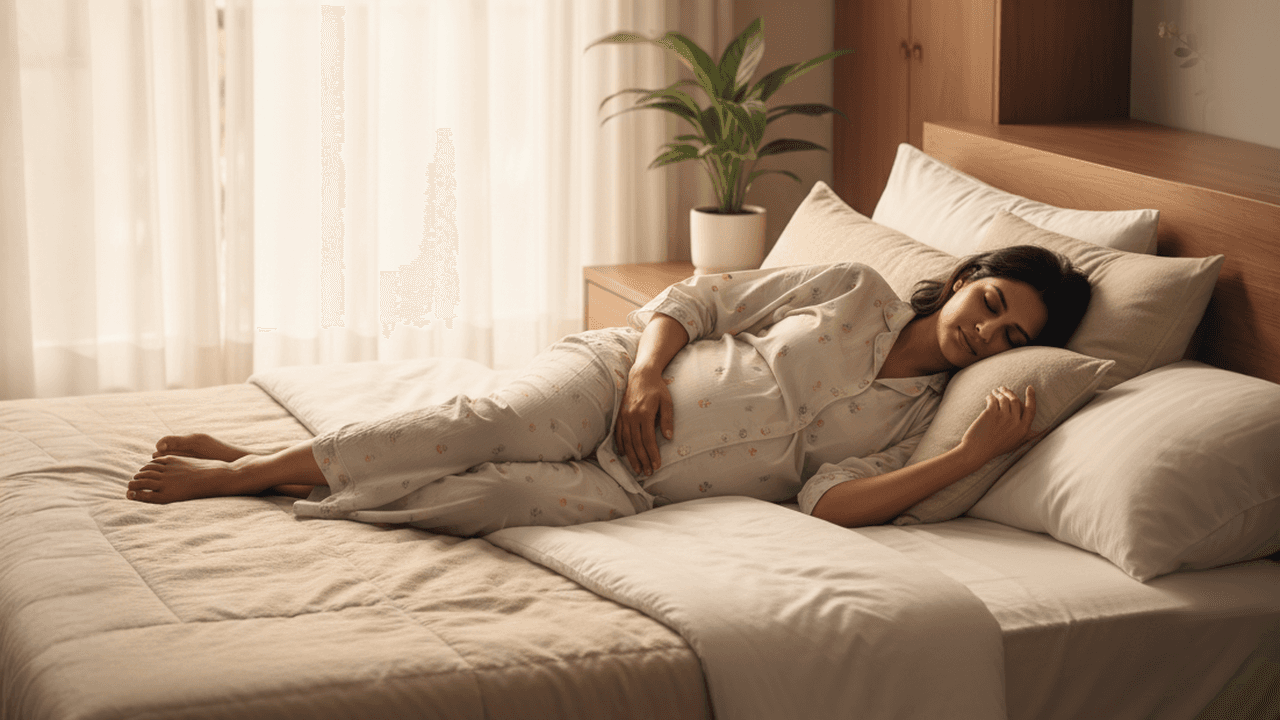
The right sleeping posture to keep your hips balanced, put a pillow between your knees.
To avoid strain, stand on both legs and take regular breaks.
Taking care of your pelvic health is more about giving the body that is working so hard to develop life its due respect, rather than trying to get comfortable.
In ConclusionYour pelvis is a symbol of strength and creation. The constant changes you’re feeling are a preparation for a miracle you will soon witness. Every pain and ache you experience is a reflection of your strength and resilience. Look at these changes not as challenges but rather as proof of your body’s power and capacity to harness life.
Sources
Cleveland Clinic – Symphysis Pubis Dysfunction (Pelvic Girdle Pain)
RCOG – Pelvic Girdle Pain and Pregnancy
Physiopedia – Pregnancy Related Pelvic Pain