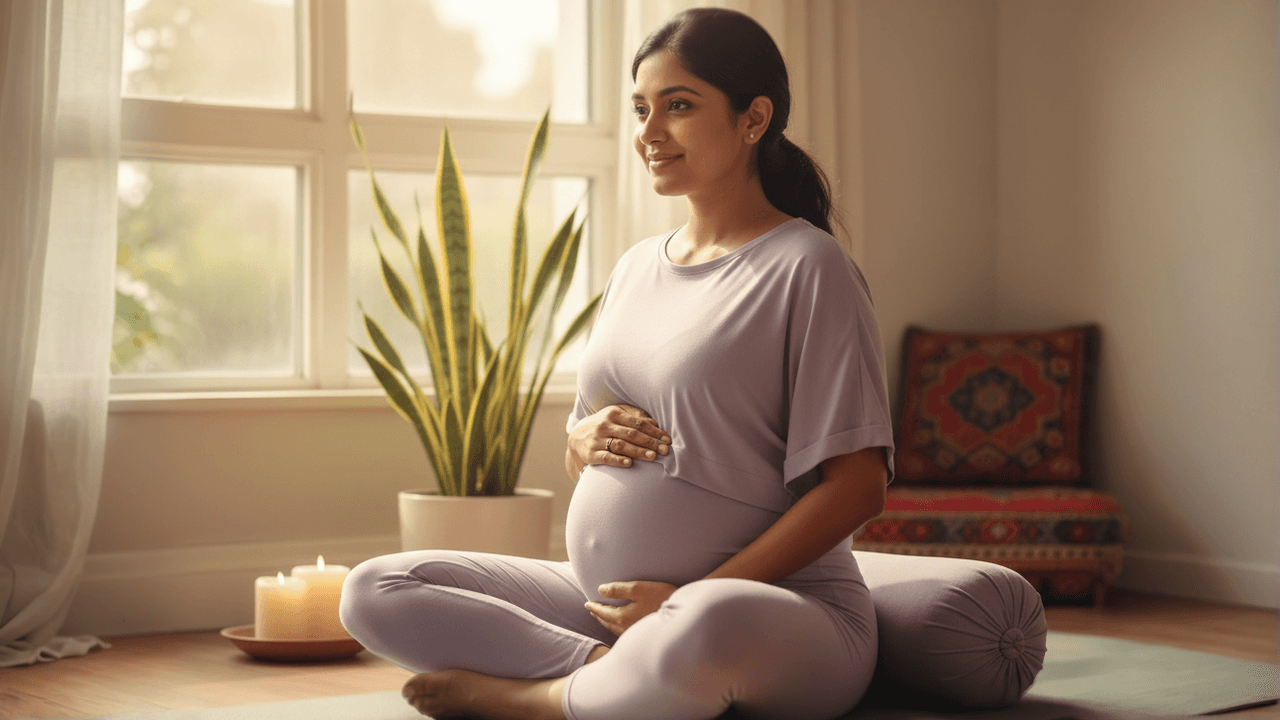
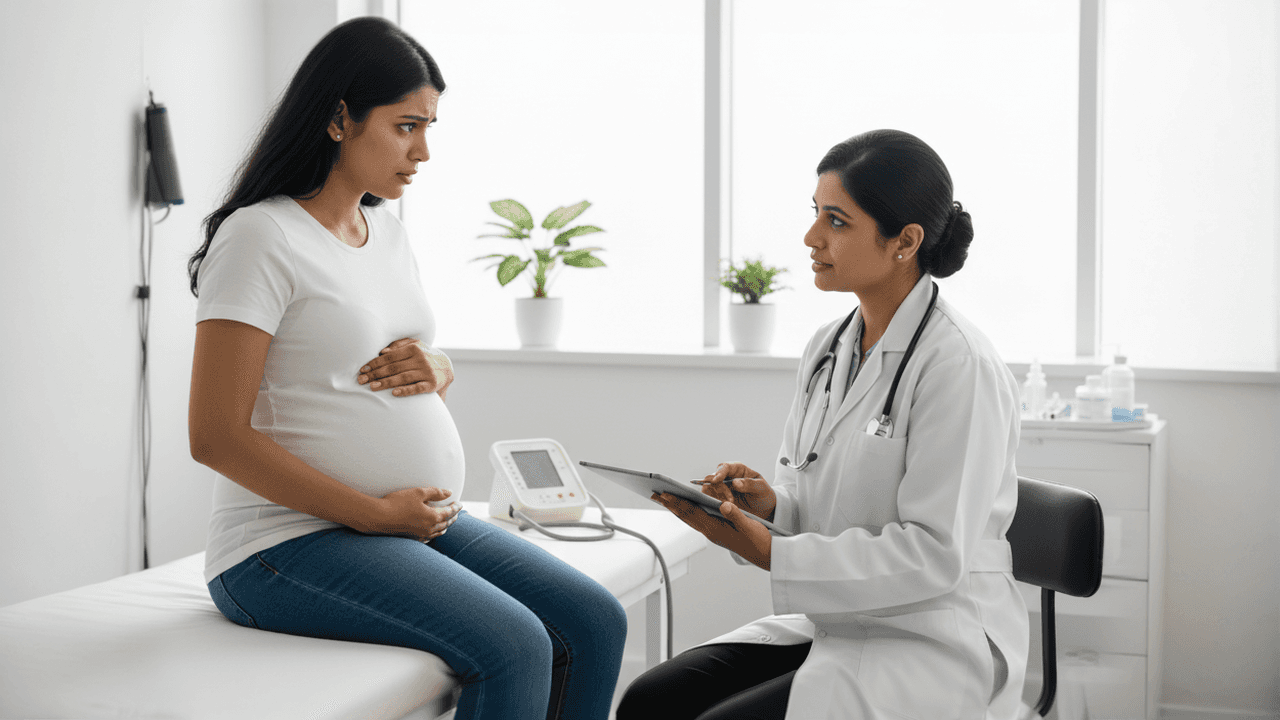
Labor is not only a physical process but also deeply neurological and emotional. The nervous system acts as the control center during childbirth, determining the ways in which your body will respond to pain, fear, safety, and relaxation. When you understand what's going on inside your body, that in itself builds confidence, and that confidence can help you reduce labour pain naturally.
The Two Sides of Your Nervous System in Labour
Your nervous system has two main modes that affect labour very differently:
Sympathetic Nervous System (Fight or Flight):
Activated when you feel fear, stress, anxiety, or danger. It releases stress hormones like adrenaline and cortisol.
Parasympathetic Nervous System in Labour (Rest and Digest):
Activated when you feel calm, safe, and supported. It releases oxytocin and the natural hormones that support labour and reduce pain.
During labour, your body needs a parasympathetic state that allows the uterus to be in rhythmic contractions and your cervix to open up smoothly. When fear becomes dominant, the fight-or-flight response tightens muscles, restricts blood flow, and heightens the perception of pain, making the sensation of labour longer and more intense.
Why does stress increase labour pain?
Many women go into labour with fear: fear of pain, fear of the unknown, fear of hospital procedures, or fear of complications. This fear creates a cycle:
Tension is caused by the following:
Fear triggers tension
Tension constricts blood flow to the uterus
Various factors increase pain: Reduced oxygen
Increased pain produces more fear
This is known as the fear–tension–pain cycle in childbirth. Breaking this cycle by calming the nervous system is one of the most natural ways to reduce labour pain without medication.
The Science Behind Calm and Pain Relief
When your nervous system is calm:
Oxytocin amplifies: This hormone amplifies contractions while encouraging emotional bonding and a feeling of safety.
Endorphins rise: These are your body's natural painkillers and are often stronger than morphine.
Muscle coordination improves: the uterus works efficiently, instead of fighting against a tense body.
The perception of pain has changed: While the pain remains, it doesn't feel quite as important or debilitating.
In other words, a serene mind builds a collaborative body, and a collaborative body suffers less during labour.
Natural Methods of Calming the Nervous System Reduce Labour PainWhen your body feels safe, your labour often flows better. What this means is that calming the nervous system isn't about "eliminating" pain completely but changing how the body processes it. The result is often a shorter, smoother labour with less exhaustion and emotional distress.
1. Breathing Techniques to Reduce Labour Pain
One of the fastest ways to impact the nervous system is through breathing. Slow, deep breathing sends a signal to the brain that you're safe.
Benefits of mindful breathing during labour:
Lowers heart rate and blood pressure
Reduces levels of adrenaline
Enhances oxygen supply to the uterus and baby
Helps you stay present during contractions
Builds rhythm and control in intense waves
Try simple patterns like:
Inhale for 4 beats, exhale for 6 beats
Long, slow exhalations during each contraction
Even a few minutes of focused breathing can bring noticeable relief.
2. Touch, Massage, and Physical Support
A gentle touch tells the nervous system that you're not alone. This sense of safety can allow your body to soften and open.
Supportive touch may include:
Lower back massage
Rubbing shoulders and feet
Counter-pressure during contractions
Holding hands or light stroking
These actions stimulate oxytocin and endorphins, naturally reducing pain and emotional stress during labour.
3. Creating a Safe Labour Environment
Your environment has a great impact on your nervous system: bright lights, noise, frequent interruptions, and new faces can all spark stress reactions.
A soothing environment may include:
Soft lighting
Minimum noise
Voices that sound familiar
Privacy and dignity
Supportive caregivers or birth partners
When your environment feels safe, your nervous system relaxes—and your labour often progresses more smoothly.
4. The Power of Trust and Letting Go
Control can increase tension. Trust allows surrender. When you're trusting your body, the care team, and the process of birth, your nervous system will relax naturally.
Trust reduces:
Psychosomatic resistance to contractions
Emotional panic and fear
Physical tightening of pelvic muscles
Letting go does not mean losing control; rather, it is simply allowing your body to function the way it was designed to.
5. Locomotion and Posture
Gentle movements calm the nervous system while supporting optimal labour progress.
Helpful movements include:
Glittering hips
Ambulation between contractions
Rocking on a birthing ball
Squatting or leaning forward
Movement relieves tension from the pelvis and can make you feel actively involved, as opposed to just passively enduring pain.
6. Positive Affirmations and Guided Relaxation
Your thoughts directly influence your nervous system. Gentle words can soften your body.
Examples of soothing affirmations:
“My body knows how to birth my baby.”
“Every wave brings me closer to my baby.”
“I am safe. My baby is safe.”
These techniques help to shift the state of the brain to a calm and receptive state through guided relaxation, visualization, or hypnobirthing, hence reducing the emotional component of pain.
7. Continuous Emotional Support
Supportive companionship during labour provided by a partner, doula, nurse, or midwife can reduce perceived pain quite significantly.
Emotional support provides:
Reassurance during troubled times
Decreased anxiety and panic
Greater confidence and stamina
A stronger sense of safety
Various studies have determined that women who perceive emotional support generally need less medical intervention for pain.
Conclusion: Calm Is Your Hidden Strength in LaborLabor pain is real and powerful, and it's deeply personal, not just physical. Your nervous system plays a quiet yet profound role in shaping how you experience each contraction. When fear tightens your body, pain intensifies. When calm flows through your nervous system, your body works with you, not against you. You can naturally lessen labour pain and feel more in control of your birth experience through breathing, gentle touch, movement, safe surroundings, emotional support, and trust. At Eazypregnancy, we believe every woman deserves to feel informed, supported, and emotionally safe while bringing new life into the world, for a calm nervous system does not just ease pain, it nurtures confidence, strength, and beautiful beginnings.
Sources
NCBI/PMC – Relaxation Techniques for Pain Management in Labour
NCBI/PMC – Pain Management for Women in Labour: An Overview of Systematic Reviews