Why Does Pregnancy Affect Posture and Cause Discomfort?
When you are pregnant, the center of gravity will change and move forward. In order to compensate and remain upright, many women will change the way they stand and walk. There is nothing wrong with this; it's simply the body making adjustments to keep the pregnant woman safe. However, these changes can lead to problems later on.
How does the growing belly change posture?
As the abdomen grows:
There may be some tendency to arch the lower back
The pelvis may be tilted forward
Shoulders become rounded, and the neck constricts
Walking may slow down because of the need to balance
This can lead to lower back pain during pregnancy, discomfort of the pelvis-girdle, hip lock, and tiredness, particularly in the second and third trimesters.
Why does posture matter beyond pain relief?
Posture is more than just being comfortable. Paying attention to alignment can:
Improve blood flow
Reduce pressure on muscles and joints
Creates more space in the pelvis
Helps the baby settle into a more favourable position for birth
Even small daily habits, such as slouching into a chair in the evening, can impact the way your body feels, as well as the way that your child lies within the womb.
How Can Pregnancy-Safe Yoga Poses Improve Posture Gently and Safely?
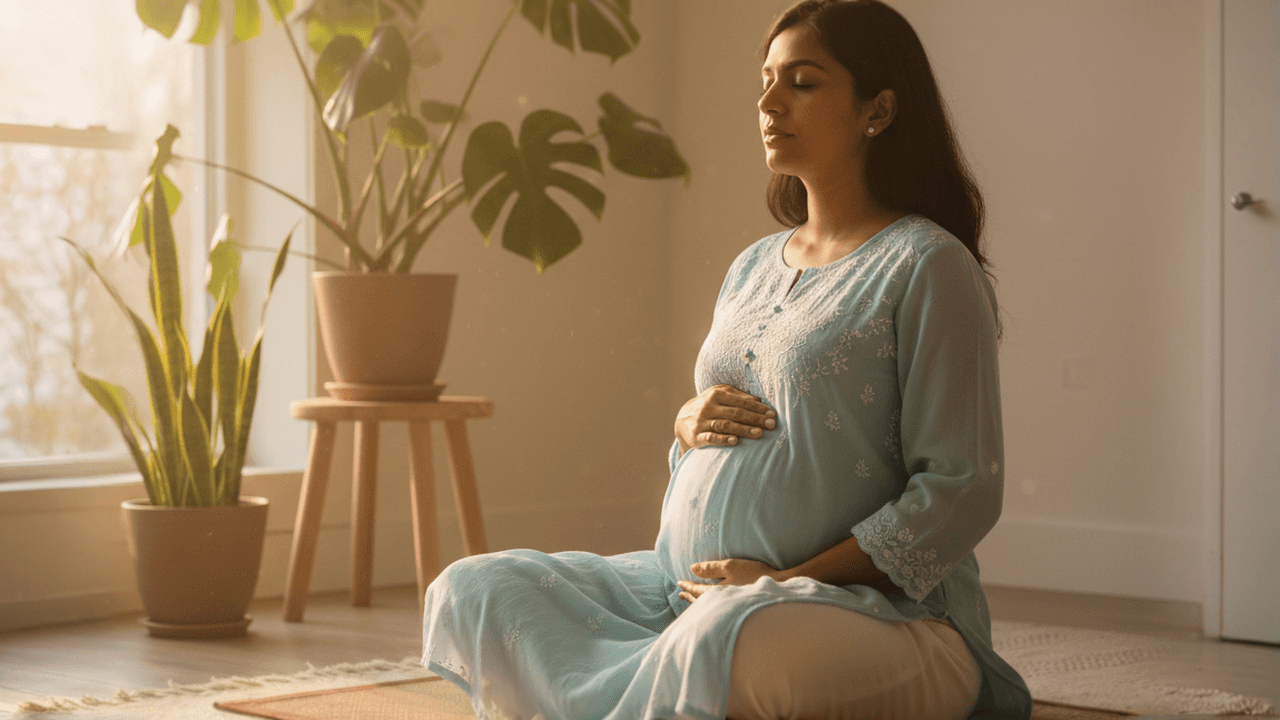
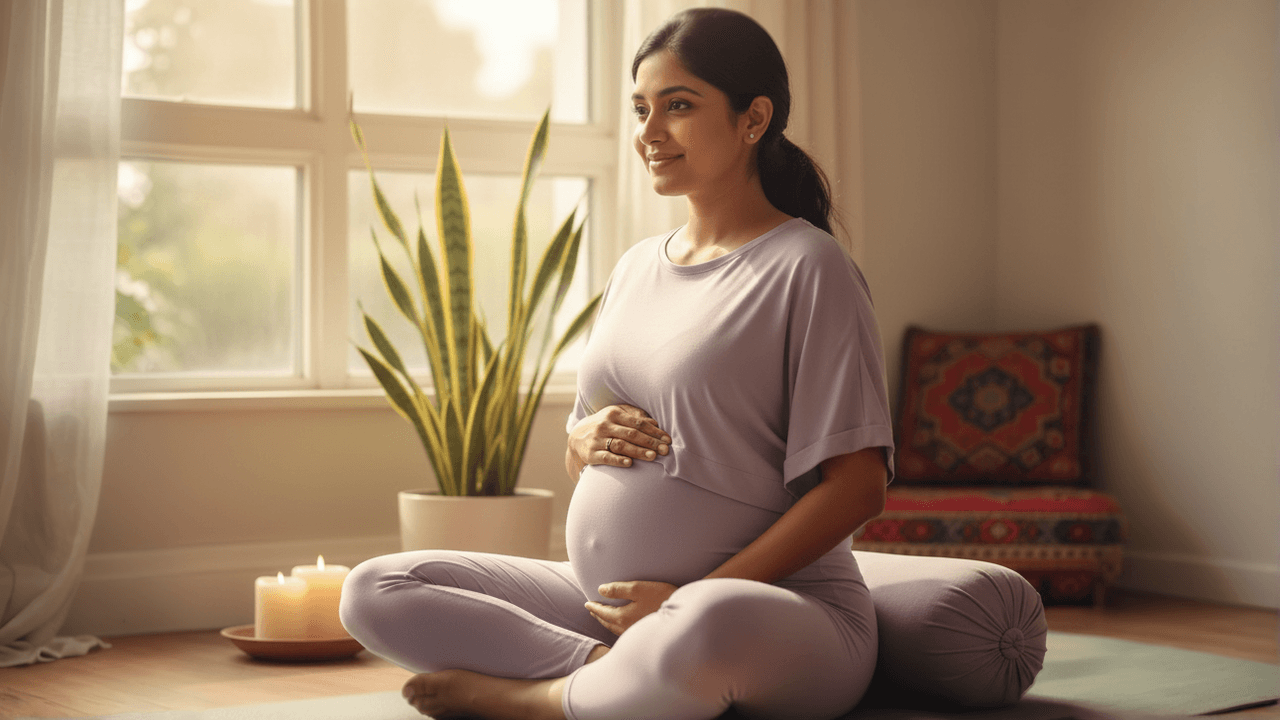
Pregnancy posture yoga is not about going into extreme stretches and holding strong poses. Pregnancy yoga is all about tuning into your body and nurturing strength. Pregnancy yoga for posture can connect you with yourself and your changes every week as your body is going through alterations during pregnancy.
What makes prenatal yoga different from regular yoga?
Prenatal posture exercises revolve around:
Stability rather than flexibility
Alignment over raw intensity
Slowing down and consciously moving
Care of joints weakened by pregnancy hormones
With such an attitude, it becomes a nurturing process for fixing posture without increasing tension.
What are some yoga exercises that help promote posture during pregnancy?
Below are gentle, pregnancy-friendly poses that support posture and can be practised under the guidance of a professional.
Seated Mountain Pose (Chair Tadasana)
Sit with feet flat on the floor
Lengthen your spine and relax your shoulders down
Keep your chin parallel to the ground
Why it helps: Trains your body to sit upright without tension and reduces slouching.
Cat–Cow Stretch
Move slowly between rounding and gently arching the spine
Coordinate movement with your breath
Why it helps: Releases stiffness in the back and builds awareness of spinal alignment.
Seated Pelvic Tilts
Gently tilt the pelvis forward and back
Keep movements slow and controlled
Why it helps: Reduces lower-back strain and supports pelvic balance.
Shoulder Rolls and Chest Opening
Roll shoulders backward
Open the chest gently
Why it helps: Counters rounded shoulders and neck tightness caused by a growing belly.
Wall-Supported Standing Alignment
Stand with your back lightly against a wall
Notice the alignment of head, shoulders, and hips
Why it helps: Teaches correct standing posture safely and builds body awareness.
How Does Good Posture Support Labour and Emotional Wellbeing?
Posture plays a subtle but powerful role in preparing your body for labour. When your spine and pelvis are well aligned:
Muscles function more effectively
Pelvic space is optimised
It becomes easy for the baby to change into a perfect position
In addition to physical advantages, correct posture enhances confidence. Standing and sitting with proper posture may also help to prevent tiredness, improve respiration, and help a woman feel more connected to her body and her baby.
Easy Daily Practices to Improve Your Posture
Support your lower back with cushions.
Do not stand or sit in the same position for a prolonged period.
Position computer screens and other electronics at eye level.
Keep your legs with your feet flat on the ground, not crossed, for grounding.
Conduct quick posture checks throughout the day.
Little, regular practices prevent pain before it actually develops.
Conclusion: Gentle Alignment for a More Comfortable Pregnancy
Good posture during pregnancy is not about having perfect posture. It is about respecting and being gentle with your adjusting body. By practicing gentle yoga, maintaining proper sitting posture, and making a few adjustments, you can alleviate discomfort, support your baby’s position, and feel more comfortable in your own skin.
If you ever find yourself wondering about practicing yoga on your own, seeking professional advice can be beneficial. A well-supported body feels more secure, more tranquil, and more ready to deliver. Remember, supporting your body means supporting yourself and the life that is developing in that body.
Sources
ACOG – Physical Activity and Exercise During Pregnancy and the Postpartum Period
Cleveland Clinic – Pregnancy: Correct Posture & Body Mechanics