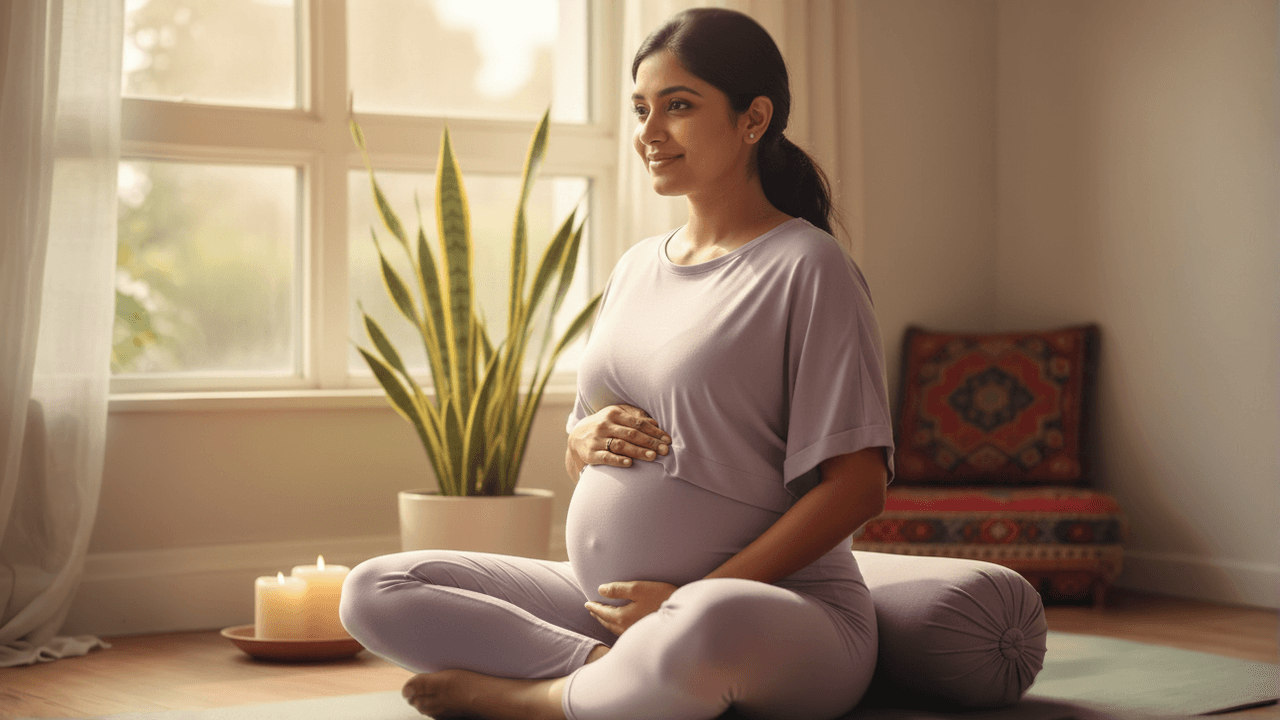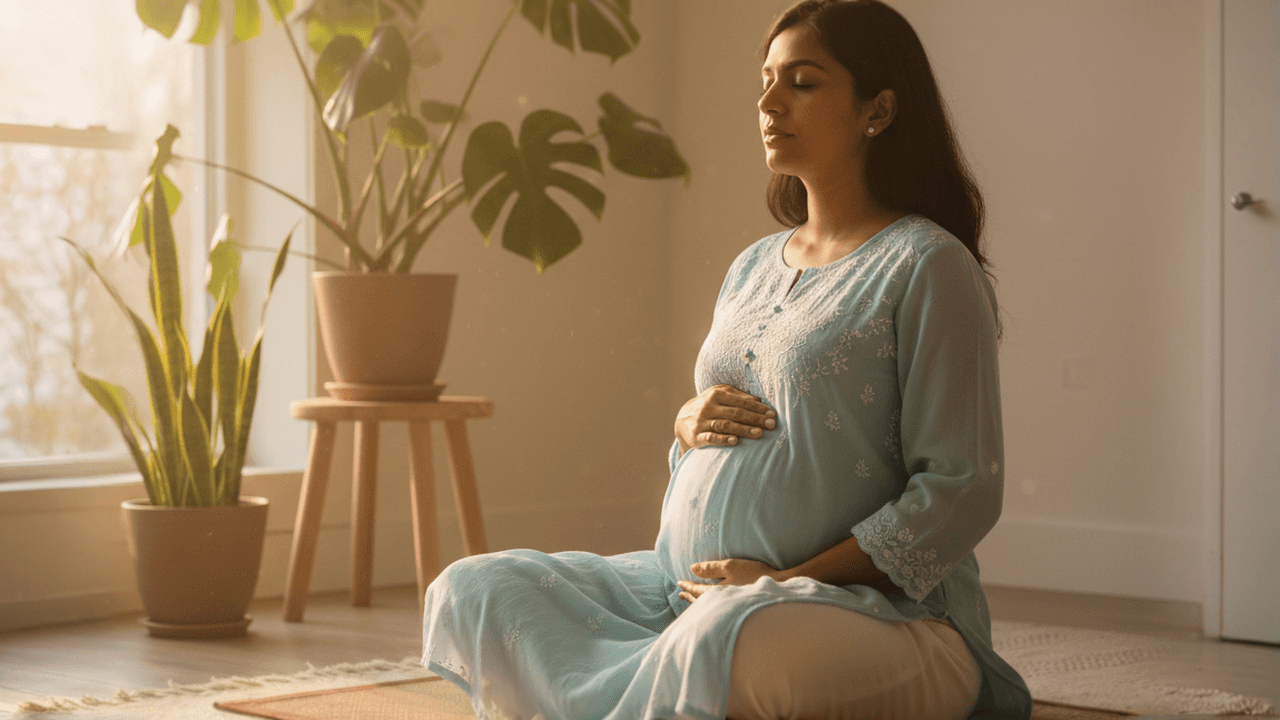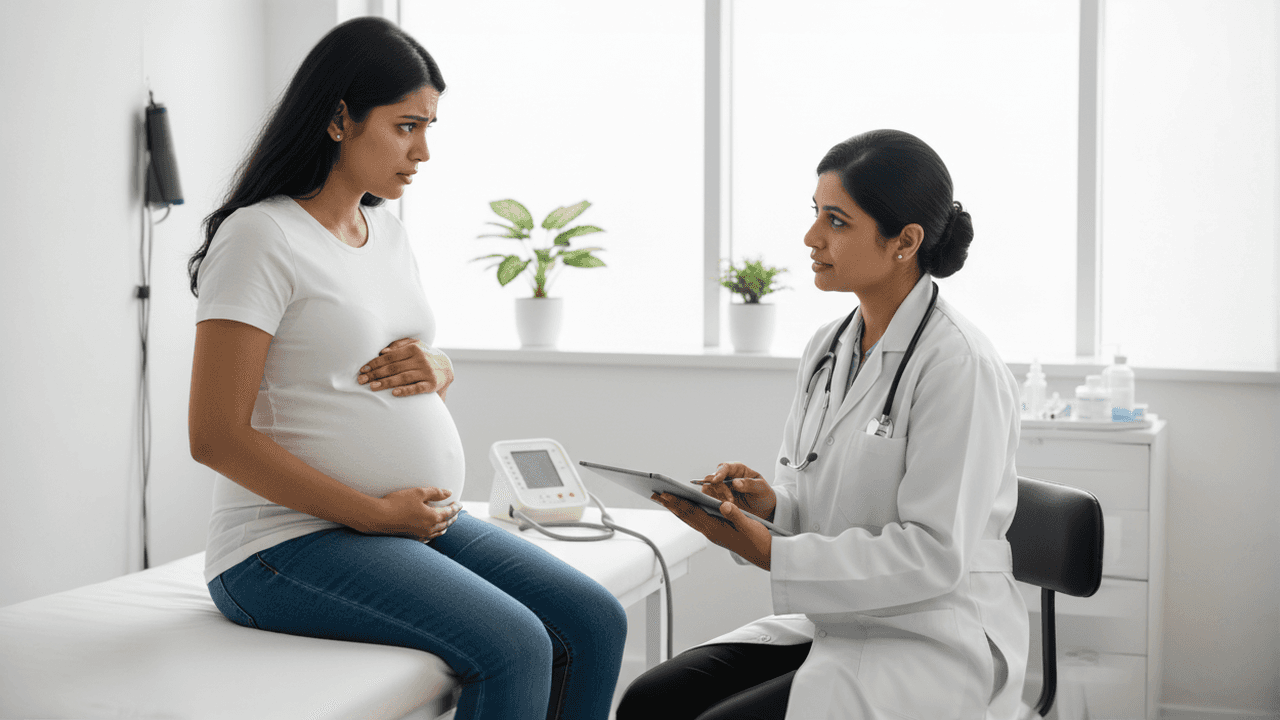
Pregnancy brings a lot of changes with it, and it can be physical or hormonal. Understanding these changes is the first step before you start with your workouts. The extra weight, hormones, and shifting balance all affect how your body moves and responds to exercise.
A few things to keep in mind during workouts:
Your Balance: The extra weight gain you experience during pregnancy can cause a loss of balance and make you unstable during pregnancy.
Your Joints: Move slowly with caution, as the ligaments supporting your joints are stretched by pregnancy hormones
Your Heart Rate: Your heart is already pumping more blood to support your unborn child. Keep your workouts comfortable and moderate; don't push yourself too hard.
Your Breathing: Your breathing may feel shorter as your uterus grows because your lungs have less space. Always pay attention to your body and take breaks when necessary.
These changes are not signs to stop your workouts. They are just healthy reminders for you to be cautious and move carefully.
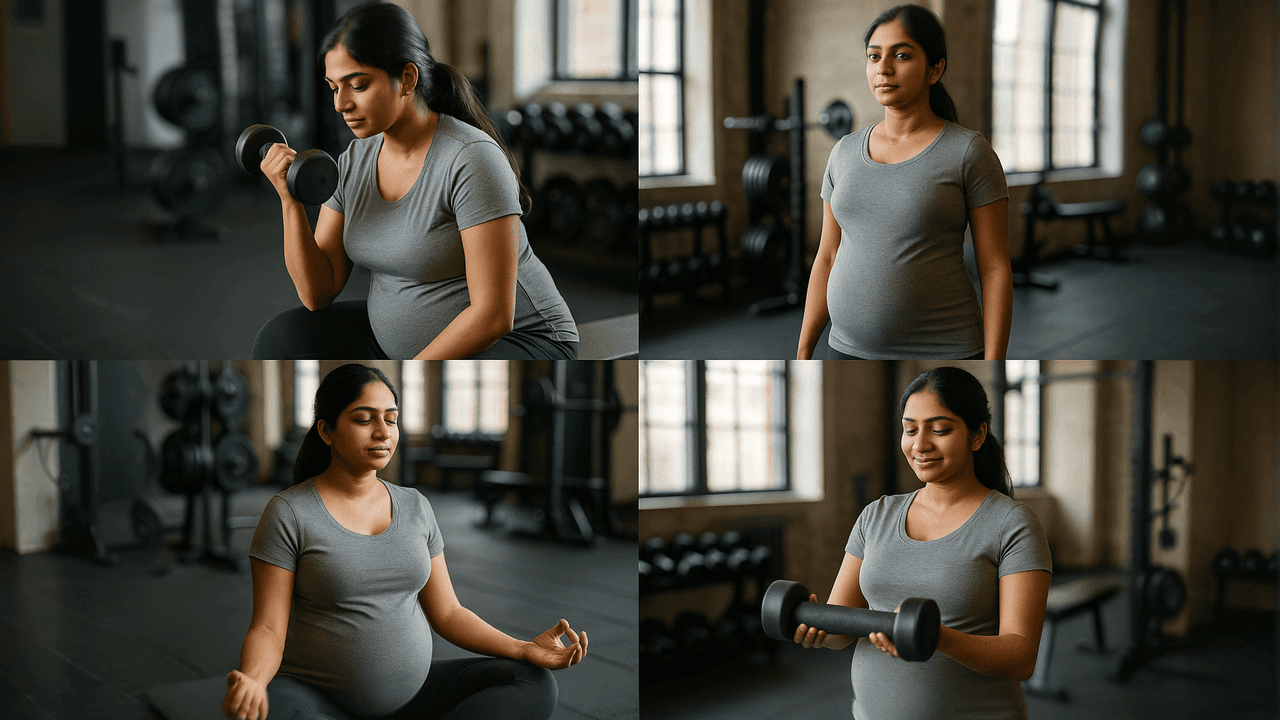
Safe Exercises for Pregnant WomenExercise is a great present that you alone can give yourself and your baby. The secret is to select exercises that are safe and beneficial and do not impose additional stress on your body.
Some exercises pregnant women can do:
Wall Push-ups: Activate your chest and arm muscles. They engage your pectorals and triceps without straining your abdomen.
Fitness Ball Squats: A gentle toning of your back, abdominal, and leg muscles with the added benefit of posture and pelvic strengthening.
Step-Ups: Utilize a small step stool or the lowest stair and perform slow, controlled steps to give your legs a workout as well as enhance balance. Hold onto a railing for support.
Modified Side Planks: Excellent for balance and strengthening the muscles along the sides of your body without overworking your belly.
Kegels: Strengthen your pelvic floor muscles to make labor easier and aid postpartum recovery.
Pelvic tilts: They can help with back pain relief and core strengthening, which is particularly beneficial in the latter stages of pregnancy.
Breathing Exercises: Improve blood circulation, reduce nausea and stress, and help manage labor pain.
Walking: A straightforward activity, such as walking, can prove to be much more efficient than heavy exercises at times.
These exercises not only support physical strength but also help improve your mood, manage anxiety, and prepare your body for childbirth.
Conclusion: Move with Awareness and LoveExercise while pregnant can revolutionize your experience by cutting the risk of gestational diabetes, hypertension, and preeclampsia complications, weight gain, and alleviation of discomfort. It can also promote an easier experience of delivery and reduce the likelihood of premature or delayed labor.
In addition to physical advantages, an active lifestyle can enable you to feel more in control while getting ready to become a mother, eliminate negative thinking, and enhance mental health. Therefore, trust your body, breathe slowly, and exercise slowly. With mindful exercise and self-care, you're not only strengthening yourself but also growing a healthy, happy baby and getting ready for a more serene, confident childbirth.
Sources
ACOG – Exercise During Pregnancy
ACOG – Physical Activity and Exercise During Pregnancy and the Postpartum Period