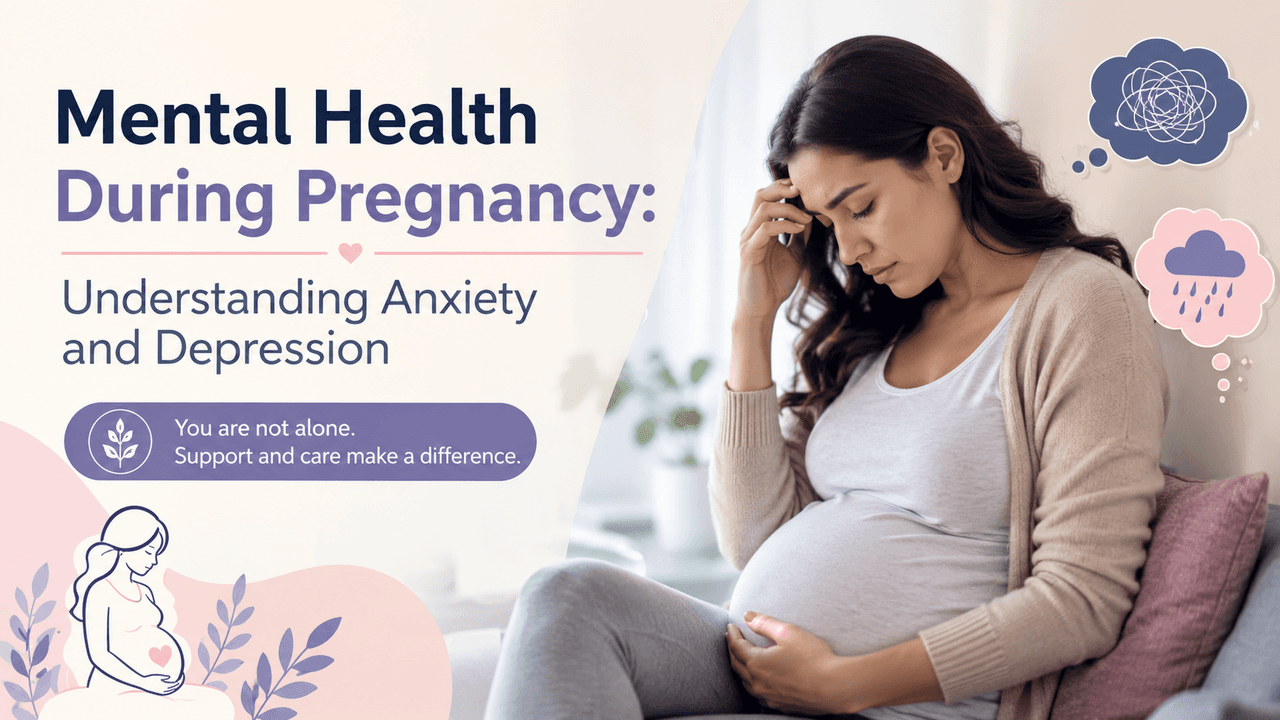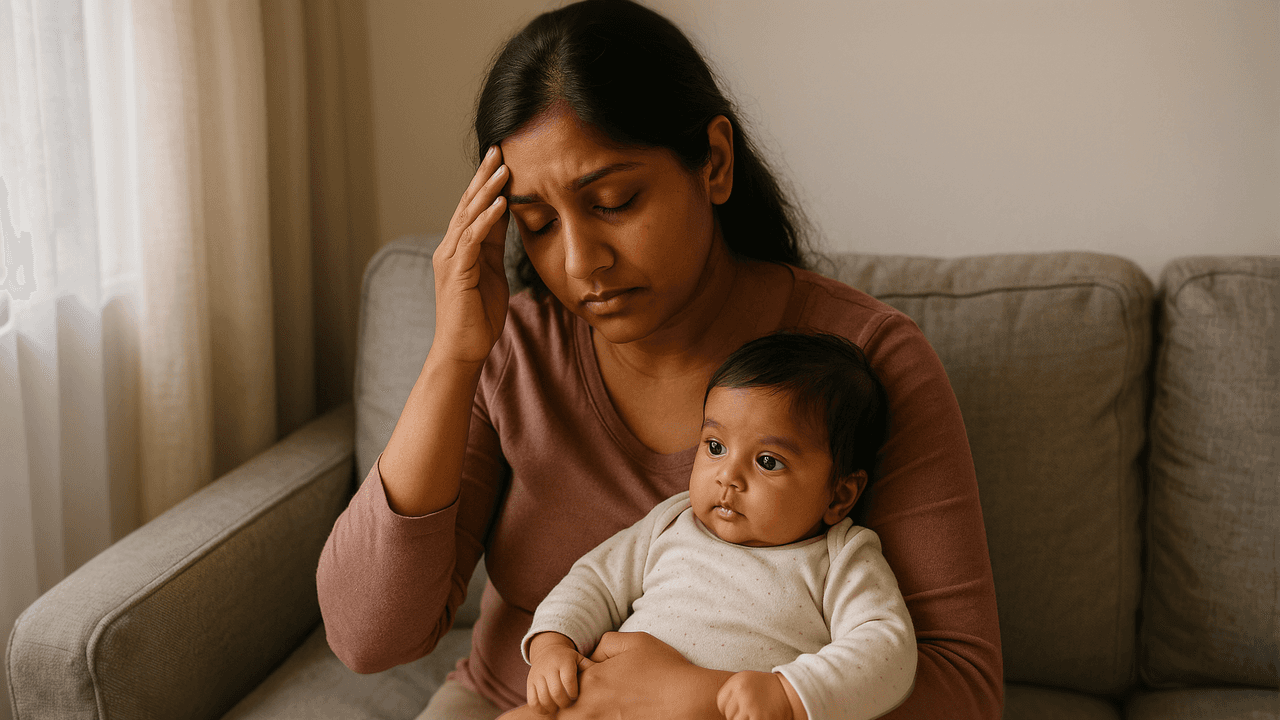
Some women experience postpartum depression (PPD), which is a mix of physical, emotional, and behavioural changes that happen after they give birth. It's not just being sad; it's a serious type of depression that can make it hard for a mother to take care of herself and her baby.
About 50–75% of mothers get "baby blues" after giving birth, but these feelings usually go away within a week or two. Postpartum depression, on the other hand, is more severe and lasts longer, often starting 4–6 weeks after giving birth.
If not treated early, this condition can break the bond between mother and baby, make it hard to breastfeed, and even slow the child's emotional and physical growth. But mothers can heal and find the joy of being a mother again with help and understanding.
Every woman has a unique experience. Some moms may cry uncontrollably, feel emotionally distant, or be perpetually tired. Deeper emotional distress can be avoided by identifying these symptoms early.
Some common symptoms are:
Feeling very tired or drained most of the time
Having a lower libido or less interest in intimacy
Mood swings or irritability that happen a lot
Feeling sad, worthless, hopeless, or guilty
Worrying too much or feeling like you're always on edge
Loss of interest in hobbies or things that used to be fun
Changes in appetite, like eating too much or too little
Loss of energy and motivation
Trouble sleeping or wanting to sleep all the time
Crying too much or for no clear reason
Trouble concentrating or making decisions
Losing the will to live
Not caring about your baby or feeling anxious around your baby
You should get medical attention right away if you or someone you know has these symptoms for longer than two weeks. PPD is a condition that requires care, not criticism; it is not your fault.
Causes of Postpartum Depression:
There isn't just one reason for postpartum depression; it's usually a mix of hormonal changes, emotional stress, and changes in daily life. Knowing these reasons can help families be more understanding and helpful instead of judging.
1. Hormonal Changes
After giving birth, levels of estrogen and progesterone drop a lot, which can make you feel emotionally unstable. Hormones from the thyroid gland may also drop, which can make new moms feel tired, slow, or sad.
2. Not getting enough sleep
Taking care of a baby means not sleeping at night. When you're tired and stressed out, even little problems can seem impossible to deal with. Being tired can quickly make you angry and sad.
3. Anxiety About Motherhood
Worrying about being a good mother is normal, especially for new mothers. Stress and emotional exhaustion can worsen if you are constantly worried about your baby's safety, feeding, or health.
4. Changes in Self-Image
Many women experience body image issues or a sense of losing control over their lives after giving birth. Depressive thoughts can be exacerbated and confidence lowered by feeling unattractive or disassociated from one's identity.
5. Environmental and Relationship Stress
Financial stress, strained relationships, or a lack of emotional support can all hinder recovery. One of the most potent emotional triggers for PPD is feeling alone or isolated as a mother.
Conclusion: You Are Not AloneYou may feel you can't get out of the sadness after your baby is born, but you are not alone, and it's not your fault. It's a medical condition that can be fixed with the proper care, love, and help.
Don't ignore symptoms; if they exist, so does talking with your doctor, counselor, or loved one. Sometimes, therapy, support groups, and even just talking about things make a big difference. Healing is not an overnight process; it's gradual, but even a little bit helps.
At Eazypregnancy, we believe that all mothers deserve kindness, understanding, and care. Let me remind you again that asking for help is a sign of strength. With the right help, you will find your way to peace, confidence, and happiness.
Sources
ACOG – Screening and Diagnosis of Mental Health Conditions During Pregnancy and Postpartum
Mayo Clinic – FAQs About Baby Blues and Postpartum Depression
Cleveland Clinic – Postpartum Depression (PPD): Causes, Symptoms & Treatment