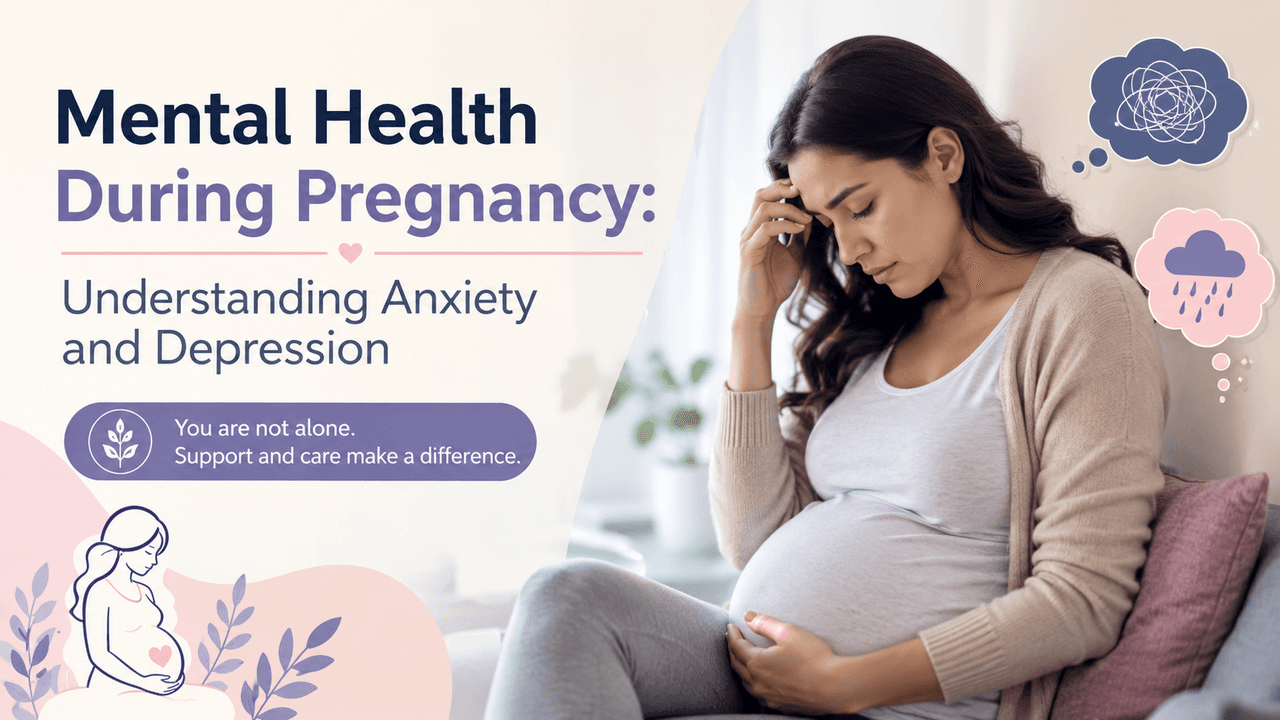
When most people think about prenatal care, they picture ultrasounds, bump photos, and baby shower checklists. But one of the most important — and least talked about — parts of a healthy pregnancy is your mental and emotional wellbeing.
The truth is, pregnancy is not always a blissful nine months. For many expecting mothers, it can bring overwhelming worry, persistent sadness, and emotional exhaustion. And that is completely valid.
In fact, 1 in 5 pregnant women experience a mental health condition during pregnancy — most commonly anxiety or depression. Yet the majority go undiagnosed and unsupported, simply because they believe these feelings are "just hormones" or feel too guilty to speak up.
This guide is here to change that.
What Is Prenatal Anxiety?
Prenatal anxiety refers to excessive, persistent worry that occurs during pregnancy and interferes with daily life. It goes well beyond the normal nervousness that comes with becoming a parent.
Common Signs of Prenatal Anxiety
Racing thoughts that are difficult to control
Constant fear about the baby's health or delivery outcomes
Trouble sleeping even when you are physically tired
Irritability, restlessness, or feeling on edge most of the day
Physical symptoms like heart palpitations, shortness of breath, or muscle tension
Avoiding social situations, appointments, or conversations about the pregnancy
Repeatedly seeking reassurance from doctors or loved ones
Types of Anxiety During Pregnancy
Generalized Anxiety Disorder (GAD): Uncontrollable worry about multiple areas of life — finances, health, relationships, parenting ability.
Health Anxiety: Intense fear specifically around the baby's wellbeing or complications during delivery.
Panic Disorder: Sudden, unexpected episodes of intense fear accompanied by physical symptoms like chest tightness or dizziness.
Tokophobia: A deep, sometimes debilitating fear of childbirth that can prevent women from seeking prenatal care or lead to extreme avoidance of pregnancy altogether.
What Is Prenatal Depression?
Prenatal depression (also called antepartum depression) is a form of clinical depression that develops during pregnancy. It is not simply feeling "down" on a tough day — it is a persistent low mood that affects how you think, feel, and function.
It is commonly mistaken for normal pregnancy fatigue or mood swings, which is why it often goes unrecognized.
Common Signs of Prenatal Depression
Persistent sadness or feeling emotionally numb
Loss of interest in activities or people you once enjoyed
Difficulty bonding with your growing baby
Feelings of worthlessness, shame, or guilt about being pregnant
Changes in appetite — eating significantly more or less than usual
Withdrawing from family, friends, or your partner
Difficulty concentrating or making simple decisions
Thoughts of hopelessness about the future
In severe cases, thoughts of self-harm (seek help immediately)
Important: Prenatal depression is a medical condition, not a character flaw. It does not mean you are a bad mother, and it is not something you can simply "push through."
Why Does Pregnancy Trigger Anxiety and Depression?
Several interconnected factors contribute to mental health challenges during pregnancy.
1. Hormonal Shifts
Dramatic changes in estrogen, progesterone, and cortisol levels directly influence the brain's mood-regulating systems — particularly serotonin and dopamine. These changes can leave some women feeling emotionally unstable without any obvious external trigger.
2. Physical Discomfort
Nausea, fatigue, body changes, and sleep disruption can wear down emotional resilience and make it harder to cope with everyday stress.
3. Life Transitions
Pregnancy marks one of the biggest life changes a person can go through. Fear of the unknown, shifting roles, relationship dynamics, and identity changes can all contribute to emotional overwhelm.
4. Financial Stress
Worrying about affording childcare, taking maternity leave, or preparing a home for a baby is extremely common — and extremely stressful.
5. Previous Mental Health History
Women who have experienced anxiety, depression, or trauma before pregnancy are at higher risk during pregnancy. A history of miscarriage or pregnancy loss can also intensify fear and emotional sensitivity.
6. Lack of Support
Feeling isolated, unsupported by a partner or family, or facing pregnancy without a strong social network significantly increases the risk of prenatal mental health struggles.
Prenatal Anxiety vs. Depression: Key Differences
Prenatal Anxiety
Fear, worry, and constant nervousness
Repeated thoughts like “What if something goes wrong?”
Feeling restless, tense, or on edge
Difficulty sleeping because of racing thoughts
Physical symptoms such as palpitations or shortness of breath
Prenatal Depression
Persistent sadness, emptiness, or emotional numbness
Thoughts like “Nothing will ever be okay.”
Low energy, fatigue, and social withdrawal
Sleeping too much or too little
Physical symptoms such as heaviness and appetite changes
Key Difference
Prenatal anxiety is mainly driven by excessive worry and fear about the future, while prenatal depression is more associated with sadness, hopelessness, and loss of interest in daily life.
Note: It is also very common to experience both conditions simultaneously, which is known as comorbid anxiety and depression.
How Is Prenatal Mental Health Diagnosed?
Your OB-GYN, midwife, or general practitioner may use one or more of the following screening tools:
Edinburgh Postnatal Depression Scale (EPDS) — widely used and validated for use during pregnancy, not just postpartum
GAD-7 — a seven-question tool for measuring generalized anxiety severity
PHQ-9 — a nine-question questionnaire for assessing depression symptoms
These are typically quick, self-reported questionnaires. If you feel your provider has not asked about your emotional wellbeing, you are allowed to bring it up yourself. You deserve that conversation.
Treatment Options: You Have Choices
Getting the right support does not look the same for everyone. Here are the evidence-based approaches commonly recommended during pregnancy.
1. Therapy (Talking Therapies)
Cognitive Behavioural Therapy (CBT) is the most widely researched and recommended therapy for both anxiety and depression during pregnancy. It helps you identify unhelpful thought patterns and replace them with more balanced, realistic perspectives.
Mindfulness-Based Cognitive Therapy (MBCT) combines mindfulness practices with CBT principles, helping you stay grounded in the present rather than spiralling into worry.
Counselling or talk therapy offers a safe, non-judgmental space to process fears, grief, relationship challenges, and identity shifts that come with pregnancy.
2. Medication
Some antidepressants — particularly certain SSRIs — are considered relatively safe to use during pregnancy under medical supervision. The decision to use medication is deeply personal and should involve a thorough discussion with your doctor or psychiatrist, weighing up both the risks of untreated mental illness and the potential considerations around specific medications.
Never stop or adjust psychiatric medication without medical guidance.
3. Lifestyle Support Strategies
While not a replacement for professional care, these evidence-backed habits can meaningfully support your mental wellbeing:
Gentle movement: Prenatal yoga, swimming, and daily walks have all been shown to reduce symptoms of anxiety and depression
Sleep hygiene: Prioritising rest and creating a wind-down routine matters enormously for emotional regulation
Nutrition: Blood sugar imbalances and nutritional deficiencies (especially iron, B12, and omega-3s) can worsen mood
Limiting social media: Comparison culture and alarming pregnancy content can significantly fuel anxiety
Journalling: Writing down worries can help externalise and process them rather than letting them loop internally
4. Peer Support and Community
Connecting with other pregnant women who truly understand what you are going through can be profoundly healing. Seek out:
Antenatal support groups (in-person or online)
Maternal mental health communities
Pregnancy forums moderated by qualified professionals
5. Partner and Family Involvement
Communicating your needs to your partner or support person is key. Practical support — help with household tasks, attending appointments, or simply listening without trying to "fix" things — can significantly ease emotional burden.
When to Seek Help Urgently
Please contact your doctor, midwife, or a crisis helpline immediately if you experience:
Thoughts of harming yourself or your baby
Feelings that you do not want to be alive
Severe confusion, paranoia, or loss of contact with reality
Inability to care for yourself or eat for extended periods
You are not alone, and there is no shame in asking for urgent help. Seeking support is one of the most courageous things you can do for yourself and your baby.
The Impact of Untreated Prenatal Mental Health Conditions
This section is not meant to cause fear — it is meant to highlight why getting help truly matters.
Untreated prenatal anxiety and depression have been associated with:
Increased risk of preterm birth and low birth weight
Difficulty bonding with the baby after birth
Higher likelihood of developing postpartum depression
Long-term effects on infant emotional and cognitive development
Strained relationships with partners and existing children
The good news? Treatment works. And the sooner support is sought, the better the outcomes for both mother and baby.
Talking to Your Healthcare Provider
If you are struggling to open the conversation, here are some phrases to help you start:
"I have been feeling very anxious lately and I am not sure if it is normal."
"I have not been feeling like myself emotionally and I wanted to mention it."
"I read about prenatal depression and some of it sounds familiar. Can we talk about it?"
A good provider will take your concerns seriously. If yours does not, you are fully within your rights to seek a second opinion.
A Note to Partners and Loved Ones
If someone you care about is pregnant and struggling emotionally, here is how you can genuinely help:
Listen without minimising ("just relax" or "you should be happy")
Offer concrete help rather than open-ended offers
Gently encourage them to speak with a healthcare provider
Educate yourself — simply reading articles like this one is a meaningful step
Take care of your own mental health too; supporting someone who is struggling can be emotionally demanding
Final Thoughts: You Deserve to Feel Well
Pregnancy is a time of enormous transformation — physically, emotionally, and psychologically. Feeling anxious or depressed during this period does not make you ungrateful, weak, or unfit to be a mother.
It makes you human.
Your mental health is not a footnote to your pregnancy journey — it is central to it. Reach out to your healthcare provider, lean on your support system, and remember: asking for help is not a sign of weakness or giving up. It is the best thing you can do for you and your baby.
Frequently Asked Questions
Q: Is it normal to feel anxious during pregnancy? Some degree of worry is completely normal. However, when anxiety becomes persistent, uncontrollable, or interferes with daily functioning, it is worth discussing with a healthcare provider.
Q: Can prenatal depression affect my baby? Untreated prenatal depression can have effects on pregnancy outcomes and infant development. However, with proper treatment and support, these risks are significantly reduced.
Q: Will I develop postpartum depression if I have prenatal depression? Having prenatal depression does increase the risk of postpartum depression, which is why early identification and treatment is so important. Awareness allows you and your care team to put a postpartum support plan in place.
Q: Is it safe to take antidepressants while pregnant? Some antidepressants are considered relatively safe during pregnancy. This is a nuanced decision that should be made with your doctor, weighing the risks of untreated illness against medication considerations.
Q: How do I find a therapist who specialises in prenatal mental health? Ask your OB-GYN or midwife for a referral, search for perinatal mental health specialists in your area, or look for therapists who list maternal mental health as a speciality on therapy directories.
Always consult a qualified healthcare professional for personalised medical advice. This article is intended for informational purposes only.
Sources
ACOG – Screening and Diagnosis of Mental Health Conditions During Pregnancy and Postpartum
Mayo Clinic – Antidepressants: Safe During Pregnancy?
ACOG – Statement on the Benefit of Access to SSRIs During Pregnancy