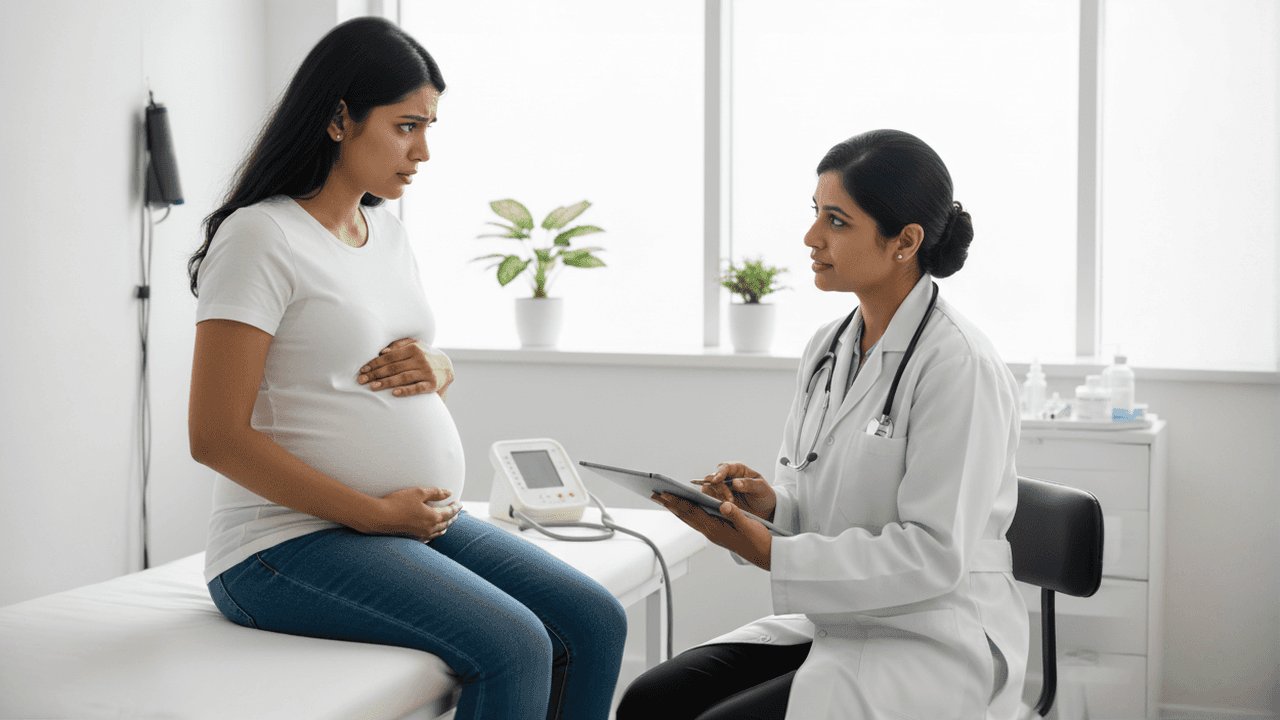
A miscarriage, sometimes called early pregnancy loss, is when a pregnancy ends before 20 weeks. Just know that you’re not the only one. About 10 to 20 women out of 100 end up this way. Mostly, these miscarriages happen in the early stages of pregnancy, about the 12th week. When this occurs more than once, it is called recurrent miscarriage. This can feel heavy for you, and it may affect you both physically and emotionally, but remember that most women who experience recurrent miscarriage later end up having a healthy experience.
Signs of Miscarriage
The symptoms of a miscarriage depend on how far you’ve come in your pregnancy. Some women don’t even notice they are pregnant because it happens so early.
A few common signs can be:
Heavy spotting or vaginal bleeding
Vaginal discharge
Severe abdominal cramps or back pain
Sudden weight loss
Feeling weak or lightheaded
Contractions similar to labor pains
These don’t always mean that you had a miscarriage, but if you experience these symptoms, contact your doctor as soon as possible. Even if it's not a miscarriage, it's good to ensure your and your baby's health in this condition. A lot of women blame themselves during these tough times, but remember this is something beyond your control. Be gentle with yourself; it's not your fault.
Causes and Prevention of MiscarriageIt's important to understand that miscarriages are normal and happen due to uncontrollable factors. It mainly happens due to the chromosomes of the developing baby. This prevents the cells from dividing properly, which results in the stoppage of pregnancy. This is just nature’s way of ending a pregnancy that was not possible.
Common Causes of Miscarriage:
Genetic problems with the embryo.
Hormonal imbalances.
Problems like fibroids or a weak cervix.
Unusual thyroid or diabetes.
Your immune system might mistakenly affect your pregnancy.
Old age and a bad lifestyle.
Severe malnutrition or chronic illness.
Even though most of the causes are not in your hands, certain lifestyle and health measures can reduce your risk and support a healthy pregnancy.
Ways to Help Prevent Miscarriage
Maintain a healthy weight throughout pregnancy.
Avoid alcohol and smoking.
Take prenatal vitamins and other supplements on time.
Stay active and exercise daily, though rest if needed.
Limit your caffeine consumption.
Schedule regular checkups with your doctor.
Even though most of the causes are uncontrollable, certain lifestyle and health measures can reduce your risk and support a healthy pregnancy.
It is important for you to take care of your mental health just as much. Miscarriage recovery involves healing both body and mind. Give yourself time to heal; talk to your partner and loved ones when needed.
Finding Hope After Recurrent MiscarriageLosing a pregnancy can feel like losing a part of your soul. But it doesn’t mean your dream of motherhood is over. In this modern age and advancement in medical science, it is very much possible to have a successful pregnancy.
Healing takes time, and you don’t have to rush the process. Each step into your recovery will take you closer to a new beginning. Remember, you’re not alone in this, and soon you will complete your new journey.
Sources
ACOG – Early Pregnancy Loss
American Society for Reproductive Medicine – Recurrent Pregnancy Loss: A Committee Opinion
Cleveland Clinic – Miscarriage: Causes, Symptoms, Risks, Treatment & Prevention