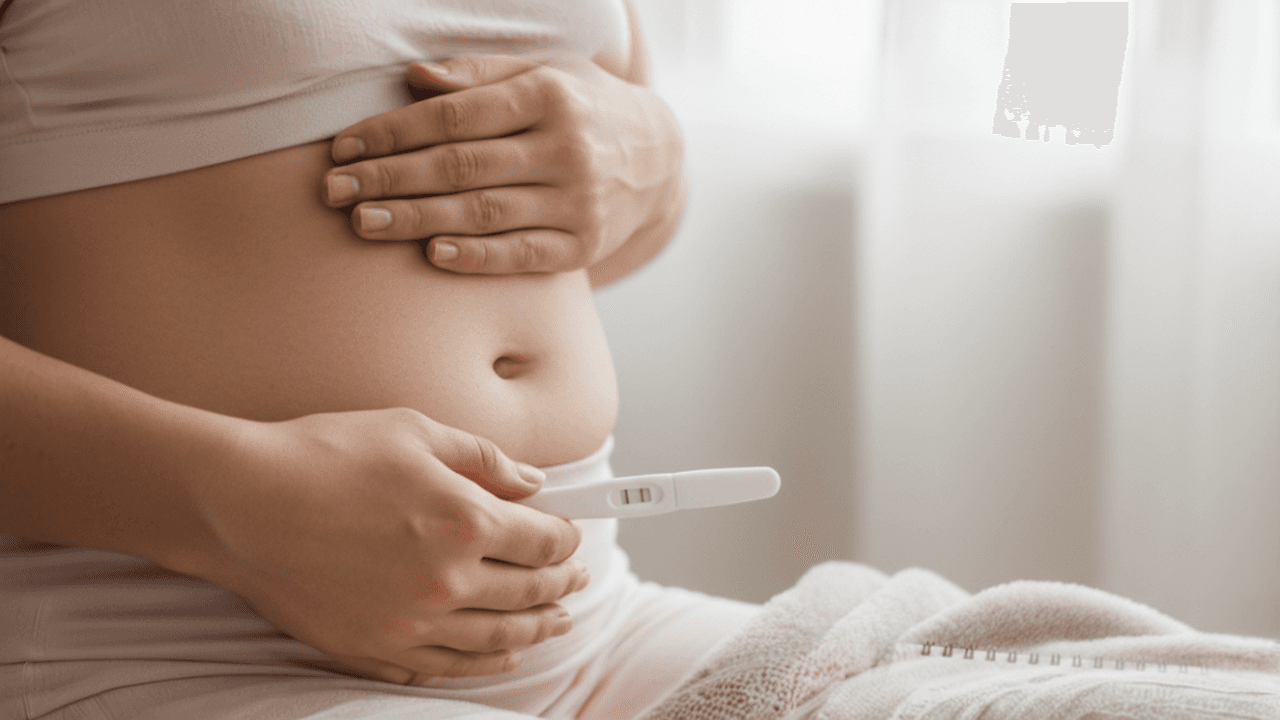
In the first few weeks of pregnancy, you may not technically be pregnant yet. Your body goes through a cycle every month, but this time, the fertilization is making all the changes. The fertilized egg travels to your uterus and implants itself. This marks the true beginning of pregnancy.
What’s typically happening in the First Month of Pregnancy :
The first month of pregnancy officially begins during the third week after your last menstrual period. Weeks five and six are the time when most women realise that they’re pregnant. You have to be cautious during this time period, as the main concerns are ectopic pregnancy, miscarriage, and exposure to harmful substances in this stage. You may experience mood swings, but they are completely normal as your body and hormones are adjusting to the new changes.
Quick timeline of the month:
• Weeks 1-2: Your body prepares for ovulation and potential conception.
• Around ovulation: The hormone rises and egg release.
• Week 3: The fertilized egg travels toward the uterus.
• Week 4: Implantation takes place; pregnancy hormones such as HCG (Human Chorionic Gonadotropin) are released and can be detected in your urine and blood.
Even if you don’t feel it, your body already knows it, and it’s adapting effortlessly. Many pregnancy tests turn positive around this time.
Physical, emotional, and psychological changes you may experience
Physical Changes:
Although the first month doesn’t come with a lot of noticeable changes, subtle physical changes still occur. Your uterus hasn’t increased in size much, but you might feel like you do during PMS, such as bloating, mild cramps, or shooting pains in the lower abdomen.
• During week three, the fertilized egg implants in the uterus.
• Week four onwards, you might feel early pregnancy symptoms like nausea, vomiting, drowsiness, and mood swings.
• You might urinate frequently as your kidneys are working more efficiently to filter more fluid.
• If you experience a little bit of bleeding, consult your gynecologist.
Some women may start noticing early signs such as mild nausea or morning sickness during pregnancy during the first month.
Is white discharge during early pregnancy normal?
Emotional and Psychological Changes:
This experience can be overwhelming for future mothers, especially in the first month when a lot is changing suddenly. Everything feels new, and it’s natural to experience mixed emotions. This can be stressful or uneasy for some, as they’re facing something unknown. Self-esteem fluctuations are common because a lot of changes are on the way. Mood swings may bring disagreements with loved ones. Resentment and frustration due to nausea. But remember, your hormones are very unpredictable during this time, which heightens your emotional sensitivity.
Keep reminding yourself that this is all just a part of the journey. Talk to the people you love and communicate your feelings properly with them to avoid any misunderstandings.
In case you experience any deeper signs of depression, contact your doctor.
Things to look for:
• Feeling out of control.
• Feeling like crying.
• Constantly feeling angry or sad.
• Loss of sleep.
• Loss of desire for intimacy.
The Beautiful Journey begins
This is the start of one of the most beautiful chapters of your life. Your body is adapting to support a new life inside it. From excitement to uncertainty, it's all just part of the journey.
Prioritize your physical and mental health, eat healthy, stay hydrated, rest properly, and schedule your first checkup with your doctor.
Be gentle with yourself, be proud of yourself, and celebrate these feelings.
Explore Body Changes During Pregnancy Month by Month | |
Pregnancy Month | Article Link |
Second Month | |
Third Month | |
Fourth Month | |
Fifth Month | |
Sixth Month | |
Seventh Month | |
Eighth Month | |
Ninth Month | |
Sources
Mayo Clinic – Symptoms of pregnancy: What happens first
Mayo Clinic – Morning sickness: Symptoms and causes
ACOG – Depression During Pregnancy
MedlinePlus – Pregnancy care