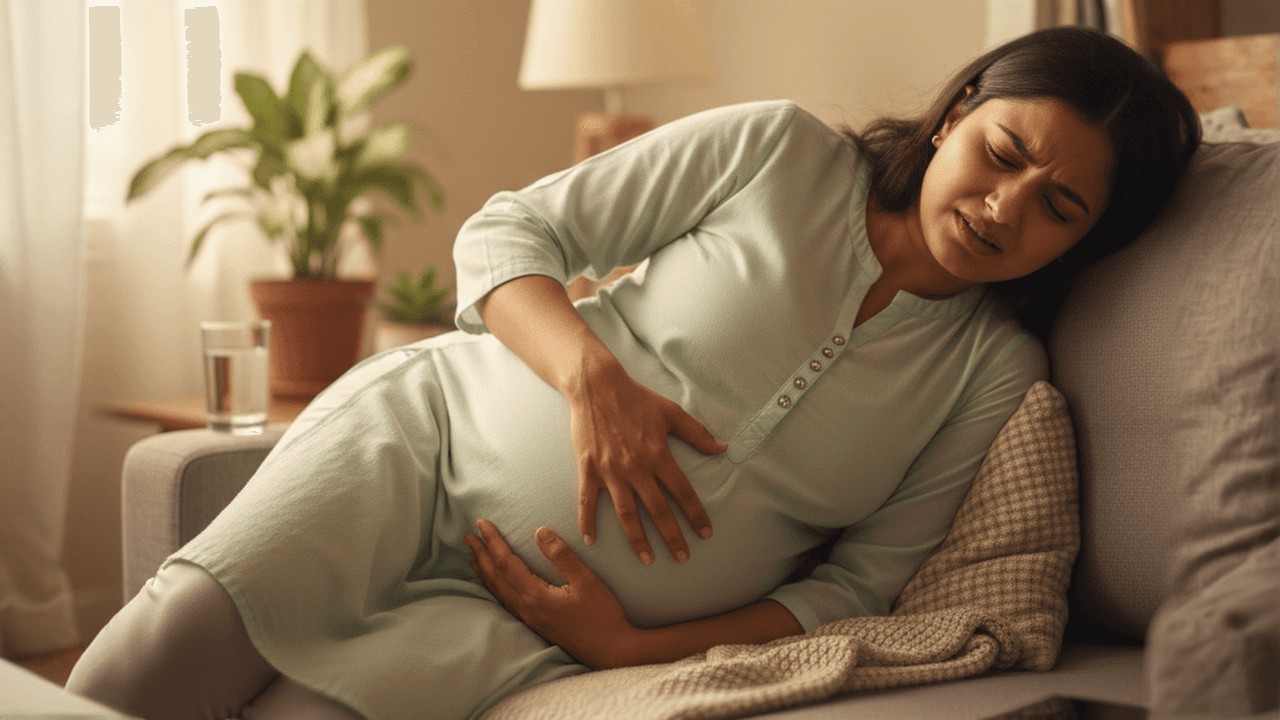
Morning sickness is one of the most common early pregnancy symptoms and can affect women differently. While some women experience mild nausea for a few weeks, others may struggle with symptoms throughout pregnancy.
Although it is called "morning sickness," nausea and vomiting can happen at any time of the day or night.
Quick Answer
Is morning sickness normal during pregnancy?
Yes. Morning sickness is a normal pregnancy symptom caused mainly by hormonal changes, especially during the first trimester. It usually begins between weeks 5 and 6 of pregnancy, becomes most noticeable around weeks 8 to 10, and improves for many women by weeks 14 to 16.
However, severe vomiting, dehydration, or difficulty keeping food and fluids down should be discussed with your healthcare provider.
What Is Morning Sickness?
Morning sickness refers to nausea and vomiting that occurs during pregnancy, most commonly during the first trimester.
Despite its name, symptoms are not limited to the morning and may occur:
Early in the morning
After meals
When smelling certain foods
During travel
At any time of the day
Many women experience morning sickness alongside other early pregnancy symptoms experienced week by week.
What Causes Morning Sickness During Pregnancy?
Several pregnancy-related changes may contribute to morning sickness:
Rising hCG hormone levels
Increased estrogen levels
Heightened sense of smell
Slower digestion during pregnancy
Increased sensitivity to certain foods
Morning sickness often appears alongside other body changes in the first month of pregnancy and body changes in the second month of pregnancy.
When Does Morning Sickness Start and End?
Pregnancy Stage | What to Expect |
|---|---|
Weeks 4-6 | Mild nausea may begin |
Weeks 7-10 | Symptoms often peak |
Weeks 11-14 | Symptoms gradually improve for many women |
After Week 16 | Many women feel significantly better |
Third Trimester | Some women may continue experiencing symptoms |
Every pregnancy is different, so the duration can vary.
What Are the Common Symptoms of Morning Sickness?
Morning sickness may include:
Nausea
Vomiting
Food aversions
Increased sensitivity to smells
Loss of appetite
Excessive saliva production
Fatigue
These symptoms can sometimes affect daily activities but are often temporary.
Foods That May Help Reduce Morning Sickness
Many women find relief by:
Eating small, frequent meals
Keeping plain crackers near the bed
Choosing bland foods such as toast or rice
Eating protein-rich snacks
Drinking enough fluids throughout the day
Eating slowly
Following a balanced Indian pregnancy diet may help maintain energy levels and support overall wellbeing.
If nausea is making it difficult to eat well or meet your nutritional needs, a personalized pregnancy diet plan can help you maintain balanced nutrition for both you and your baby.
Foods That May Trigger Nausea
Some women notice that these foods worsen symptoms:
Spicy foods
Greasy or fried foods
Strong-smelling foods
Very sugary foods
Large meals eaten at once
Learning which foods trigger your symptoms can be helpful.
Simple Ways to Manage Morning Sickness
You may find these strategies useful:
Eat something small before getting out of bed.
Avoid long gaps between meals.
Stay hydrated throughout the day.
Get adequate rest.
Keep rooms well ventilated.
Avoid strong smells whenever possible.
Try eating smaller portions more frequently.
When Should You Contact Your Doctor?
Please seek medical advice if you experience:
Vomiting multiple times a day
Inability to keep food or water down
Signs of dehydration
Dizziness or fainting
Weight loss
Dark urine
Severe weakness
Severe nausea and vomiting may sometimes indicate a condition called hyperemesis gravidarum, which requires medical care.
Can Morning Sickness Be a Good Sign?
Many women wonder whether morning sickness is a positive sign. Research suggests that morning sickness is often associated with normal pregnancy hormone changes. However, the presence or absence of morning sickness does not determine whether a pregnancy is healthy. Every pregnancy experience is unique.
Frequently Asked Questions
Is morning sickness worse during the first trimester?
Yes. Symptoms are usually strongest during the first trimester due to rapidly changing hormone levels.
Can morning sickness happen at night?
Yes. Morning sickness can occur at any time of the day or night.
Can I have morning sickness without vomiting?
Yes. Some women experience nausea without vomiting.
Does morning sickness affect the baby?
Typical morning sickness does not usually affect the baby. Severe vomiting and dehydration, however, should be medically evaluated.
Can certain smells trigger nausea during pregnancy?
Yes. Many women become more sensitive to smells during pregnancy, which can trigger nausea.
Making healthy food choices includes not only eating nutritious meals but also understanding the foods to avoid during pregnancy throughout each trimester.
Morning sickness is a common part of early pregnancy and is usually a temporary response to hormonal changes in the body. While symptoms can be uncomfortable, simple lifestyle and dietary adjustments often help many women feel better.
If symptoms become severe or interfere with eating, drinking, or daily activities, seeking medical advice is important to ensure the health and wellbeing of both mother and baby.