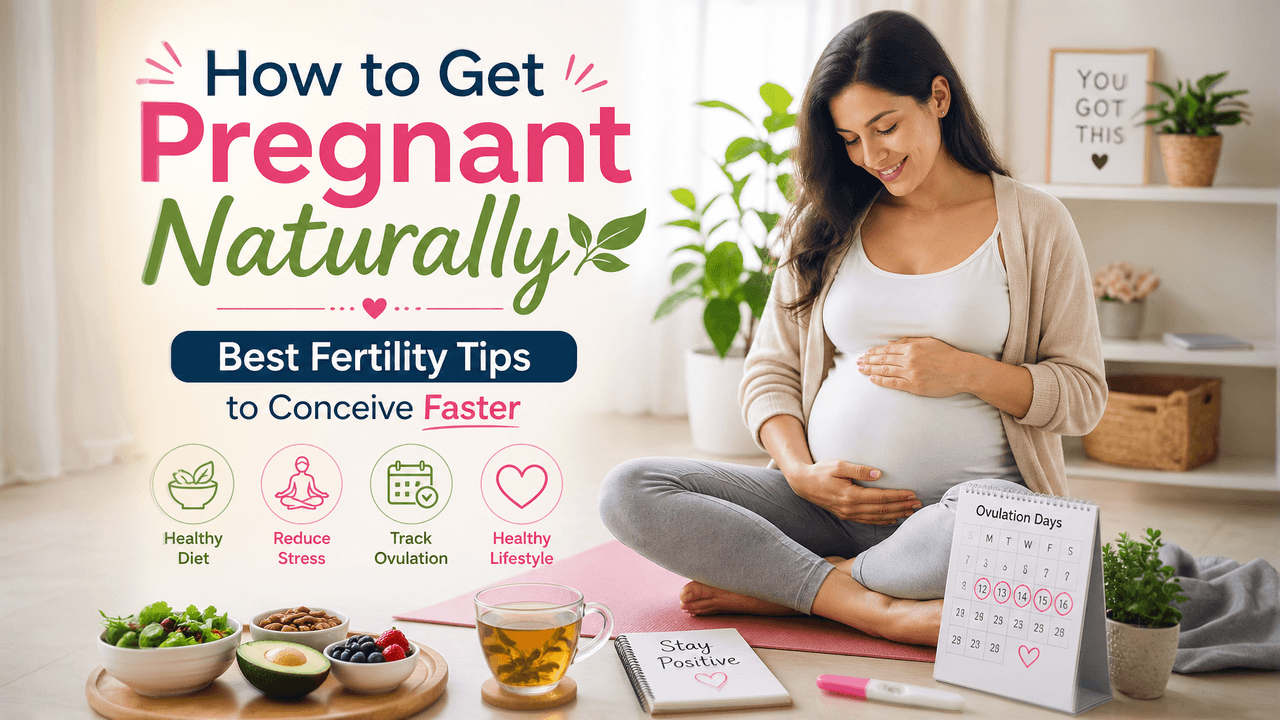
Many women today are actively searching for how to get pregnant naturally without relying on medical treatments. Natural conception focuses on improving overall reproductive health through lifestyle, diet, and understanding your body. With the right approach, you can increase your chances and learn how to conceive naturally and safely.
Understanding Ovulation and Fertile Window to Get Pregnant Fast Naturally
If you are trying to figure out how to get pregnant fast, understanding your ovulation cycle is essential. Ovulation is the time when your ovary releases an egg, making it the most fertile phase.
A typical cycle lasts 28 days, with ovulation around day 14
The fertile window includes 3–5 days before ovulation and the ovulation day
Signs include cervical mucus changes and mild cramps
Tracking ovulation helps in identifying the best time for natural conception.
Best Time and Frequency of Intercourse for Natural Conception Success
Timing intercourse correctly is one of the most effective tips to get pregnant fast.
Have intercourse every 2–3 days throughout the cycle
During the fertile window, try daily or alternate days
Consistency increases the probability of fertilization
This is a simple yet powerful step in achieving pregnancy naturally.
Fertility Diet Plan: Foods That Help Improve Fertility Naturally
Your diet has a direct impact on reproductive health. Following a fertility-friendly diet is one of the best natural ways to boost fertility.
Foods to Include for Better Fertility:
Leafy greens like spinach and kale
Fruits rich in antioxidants such as berries
Whole grains and high-fiber foods
Healthy fats like almonds, walnuts, and seeds
Foods to Avoid:
Processed and junk foods
Excess sugar and refined carbs
Trans fats
A balanced diet improves hormone function and supports egg quality.
Healthy Weight and Exercise: Important Factors to Boost Female Fertility
Maintaining a healthy weight is crucial when learning how to get pregnant naturally.
Excess weight can lead to hormonal imbalance
Low weight can disrupt ovulation
Moderate exercise helps regulate hormones
Activities like yoga, walking, and light workouts are beneficial for improving fertility naturally.
How Stress Affects Fertility and Natural Ways to Reduce It?
Stress is often overlooked but can significantly impact fertility.
High stress levels may delay ovulation
It affects hormone balance and reproductive health
Natural Stress Management Techniques:
Meditation and mindfulness
Deep breathing exercises
Prenatal or fertility yoga
Reducing stress is a key factor in boosting fertility naturally.
Lifestyle Changes That Increase Chances of Getting Pregnant Naturally
Simple daily habits can make a big difference in your fertility journey.
Healthy Habits to Follow:
Sleep 7–8 hours daily
Stay hydrated
Maintain a regular routine
Habits to Avoid:
Smoking and alcohol
Excess caffeine
Late-night lifestyle
A healthy lifestyle supports natural conception and overall well-being.
Essential Vitamins and Nutrients to Improve Fertility in Women
Certain nutrients are important for reproductive health and increase the chances of pregnancy.
Folic acid: Supports early fetal development
Vitamin D: Helps regulate hormones
Iron: Supports ovulation
Omega-3 fatty acids: Improve egg quality
Including these nutrients is crucial when focusing on natural conception.
Common Causes of Female Infertility You Should Not Ignore
Sometimes, difficulty in conceiving may be due to underlying issues.
Common Causes:
PCOS (Polycystic Ovary Syndrome)
Irregular menstrual cycles
Thyroid disorders
Hormonal imbalance
Identifying these early can help in improving fertility naturally.
Best Age for Pregnancy and How It Affects Natural Fertility
Age plays an important role in fertility.
Fertility is highest in the 20s and early 30s
It gradually declines after 35
Egg quality and quantity reduce with age
Understanding this helps set realistic expectations while trying to conceive.
How Long Does It Take to Get Pregnant Naturally: What to Expect
Many couples wonder how to get pregnant fast naturally, but timing varies.
Most healthy couples conceive within 6–12 months
Consistency and patience are important
Seek medical advice if delayed
Simple Daily Changes That Help You Conceive Naturally
Learning how to get pregnant naturally involves small but consistent efforts. From tracking ovulation to improving diet and reducing stress, every step plays a role. Focus on maintaining a healthy lifestyle and staying patient throughout the journey.
Sources
ACOG – Prepregnancy Counseling (Committee Opinion)
ACOG – Folic Acid Supplementation: A Foundation for Lifelong Health
CDC – Folic Acid: Facts for Clinicians