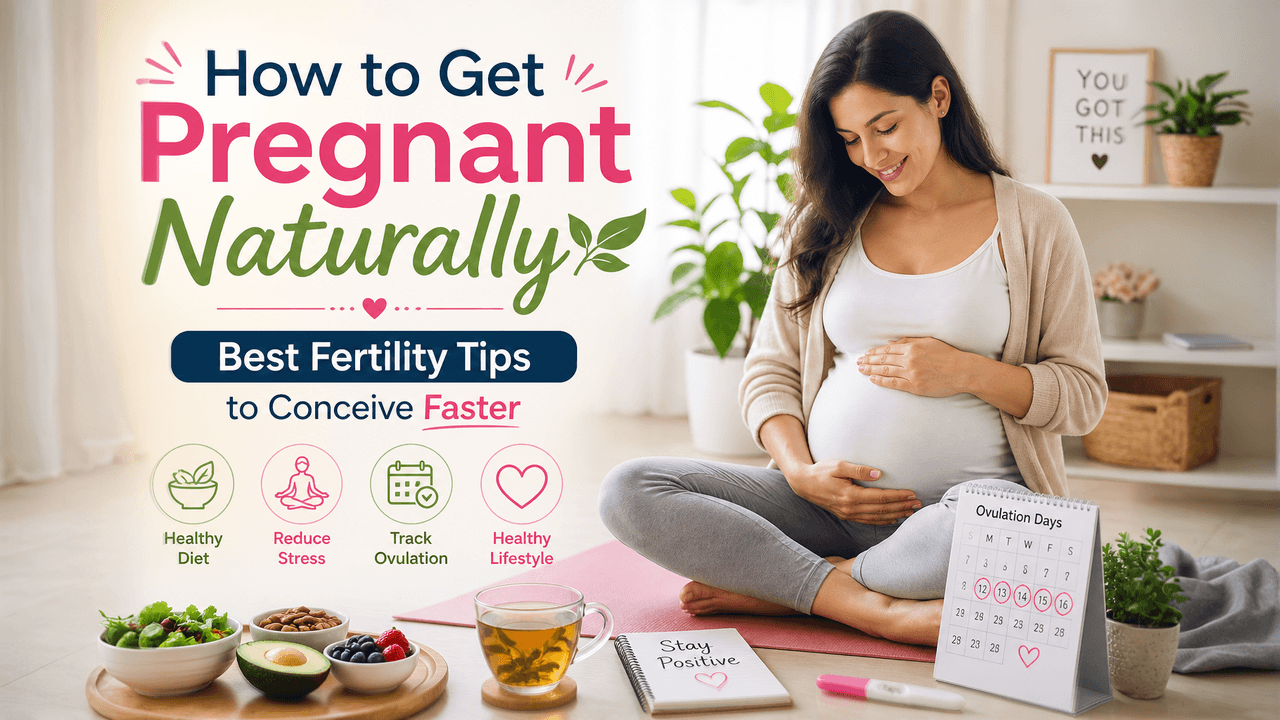
Trying to get pregnant starts with understanding your menstrual cycle and knowing when you are most fertile. Ovulation is the time when an ovary releases an egg, and knowing when this happens can help you identify your fertile window.
If you are trying to conceive, tracking ovulation can help you understand the best days for intercourse and improve your chances of pregnancy naturally.
In this guide, we explain how to track ovulation, common ovulation symptoms, different ways to identify your fertile days, and when to have intercourse if you are trying to get pregnant.
What Is Ovulation?
Ovulation is the process in which an ovary releases a mature egg. The egg can then be fertilized by sperm, which can result in pregnancy.
For many women, ovulation happens approximately 12 to 16 days before the next menstrual period, although the exact timing can vary from one woman to another.
Because sperm can survive inside the female reproductive tract for several days, pregnancy is possible from intercourse in the days leading up to ovulation as well as around the time of ovulation.
Why Is Tracking Ovulation Important When Trying to Conceive?
Knowing when you ovulate can help you identify your fertile window, which is the period when pregnancy is most likely to occur.
Tracking ovulation can be particularly useful if:
You are trying to get pregnant naturally
Your menstrual cycles are fairly regular
You want to understand your reproductive health
You want to identify your most fertile days
You have irregular cycles and want to understand your pattern
Ovulation tracking is not a guarantee of pregnancy, but it can help you time intercourse around your fertile period.
How to Track Ovulation Naturally
There are several ways to track ovulation at home. You do not necessarily need to rely on just one method. Combining cycle tracking with physical signs can give you a better idea of when ovulation may be approaching.
1. Track Your Menstrual Cycle
Start by recording the first day of your period every month. This helps you understand the length and pattern of your menstrual cycle.
For example, if your cycle is usually 28 days, ovulation may occur around the middle of the cycle. However, not every woman ovulates on exactly the same day.
If your cycles vary from month to month, calendar tracking alone may not accurately predict ovulation.
2. Look for Changes in Cervical Mucus
Cervical mucus changes throughout the menstrual cycle.
Around ovulation, vaginal discharge may become:
Clear
Wet
Slippery
Stretchy
Many women compare fertile cervical mucus to the texture of raw egg white.
This type of discharge can indicate that ovulation is approaching and that you may be in your fertile window.
3. Use an Ovulation Predictor Kit
Ovulation predictor kits, also called OPKs, are available over the counter and can help identify the rise in luteinizing hormone (LH) that usually occurs before ovulation.
A positive ovulation test generally means that ovulation may happen soon. However, an LH surge does not always confirm that ovulation actually occurred.
Following the instructions provided with the test is important for getting the most reliable result.
4. Track Your Basal Body Temperature
Basal body temperature (BBT) is your body's resting temperature, usually measured immediately after waking up and before getting out of bed.
After ovulation, progesterone can cause a small increase in basal body temperature.
Tracking your temperature every morning can help you identify a pattern over several menstrual cycles. However, BBT usually confirms that ovulation has already happened rather than predicting it in advance.
5. Pay Attention to Ovulation Symptoms
Some women notice physical changes around ovulation.
Possible ovulation symptoms include:
Mild lower abdominal or pelvic discomfort
Increased cervical mucus
Breast tenderness
Bloating
Increased sex drive
Changes in mood
A slight rise in basal body temperature
Not every woman experiences these symptoms, and they should not be used alone to determine the exact day of ovulation.
What Is the Fertile Window?
The fertile window is the period during which intercourse can result in pregnancy.
It generally includes the five days before ovulation, the day of ovulation, and sometimes the day after ovulation.
This is because sperm can survive for several days under favorable conditions, while the egg remains available for fertilization for a much shorter period after ovulation.
For couples trying to conceive, having intercourse regularly throughout the fertile window can help increase the chance of pregnancy.
What Is the Best Time to Have Sex to Get Pregnant?
If you are trying to conceive, having intercourse every 1 to 2 days during the fertile window is one approach recommended by fertility guidance.
You do not need to focus on one exact day. Having regular intercourse during the days leading up to ovulation can help ensure that sperm are available when an egg is released.
If tracking ovulation makes you feel stressed, having intercourse every few days throughout the cycle can also help cover the fertile period.
Can You Track Ovulation With an App?
Period and fertility tracking apps can help you record:
Period dates
Cycle length
Cervical mucus
Basal body temperature
Ovulation tests
Other symptoms
However, an app's predicted ovulation date is an estimate based on the information entered and previous cycle patterns. It may not accurately identify ovulation, especially if your periods are irregular.
For better tracking, consider combining an app with physical signs such as cervical mucus changes, BBT, or an ovulation predictor kit.
How to Track Ovulation With Irregular Periods
Tracking ovulation can be more difficult when periods are irregular.
Irregular periods can occur for many reasons, including:
PCOS
Thyroid problems
Significant changes in body weight
Stress
Excessive exercise
Hormonal changes
If your periods are consistently irregular, consider discussing them with a gynecologist. A healthcare professional can help determine whether an underlying condition is affecting ovulation.
For women with PCOS, an ovulation predictor kit may sometimes show confusing results because LH levels can remain elevated. In such cases, professional guidance may be useful.
Can You Get Pregnant Without Knowing Exactly When You Ovulate?
Yes. You do not need to know the exact hour or day of ovulation to become pregnant.
Regular intercourse throughout the menstrual cycle, particularly every 1–2 days during the likely fertile window, can help increase the chance that sperm are present when ovulation occurs.
This is why understanding your general cycle pattern can be more useful than becoming overly focused on finding one specific day.
Lifestyle Habits That Support Healthy Ovulation
Tracking ovulation is only one part of preparing for pregnancy. Overall health also matters.
Try to:
Eat a balanced diet
Maintain a healthy weight
Stay physically active
Get adequate sleep
Avoid smoking
Avoid alcohol when trying to conceive
Limit excessive caffeine
Manage stress
Take a prenatal vitamin containing folic acid as recommended by your healthcare provider
If you take regular medications or have a medical condition, speak with your doctor before trying to conceive.
When Should You See a Doctor About Fertility?
If pregnancy does not happen despite regular unprotected intercourse, it may be useful to speak with a healthcare professional.
Generally, fertility evaluation is recommended after:
12 months of trying if you are under 35
6 months of trying if you are 35 or older
You may want to seek medical advice sooner if you have very irregular or absent periods, known PCOS, endometriosis, previous pelvic surgery, recurrent pregnancy loss, or another condition that may affect fertility.
Final Thoughts
Knowing how to track ovulation can make it easier to understand your fertile window and choose the best time for intercourse when trying to conceive. Tracking your menstrual cycle, cervical mucus, basal body temperature, and ovulation tests can all provide useful information.
Remember that every woman's cycle is different. If your periods are irregular or you have been trying to conceive without success, talking to a gynecologist can help you understand your individual fertility needs.
Frequently Asked Questions About Ovulation Tracking
How do I know when I am ovulating?
Changes in cervical mucus, a positive ovulation predictor test, a small rise in basal body temperature, and other physical symptoms may help identify ovulation. No single sign is always accurate.
What are the most common signs of ovulation?
Common signs can include clear and stretchy cervical mucus, mild pelvic discomfort, breast tenderness, bloating, and increased sex drive. Some women have no noticeable symptoms.
How many days after my period do I ovulate?
There is no single day that applies to everyone. Ovulation typically occurs about 12–16 days before the next period, so the timing depends on your cycle length.
Can I get pregnant on days when I am not ovulating?
Pregnancy is most likely around the fertile window. Because sperm can survive for several days, intercourse before ovulation can also result in pregnancy.
Is an ovulation test always accurate?
Ovulation predictor kits detect an LH surge, which usually occurs before ovulation. However, an LH surge does not always guarantee that ovulation will occur.
Can irregular periods affect ovulation?
Yes. Irregular periods can be associated with irregular or absent ovulation. If your cycles are consistently irregular, speak with a gynecologist for personalized advice.
Explore More Pregnancy Resources
If you are looking for more pregnancy-friendly guidance, explore: